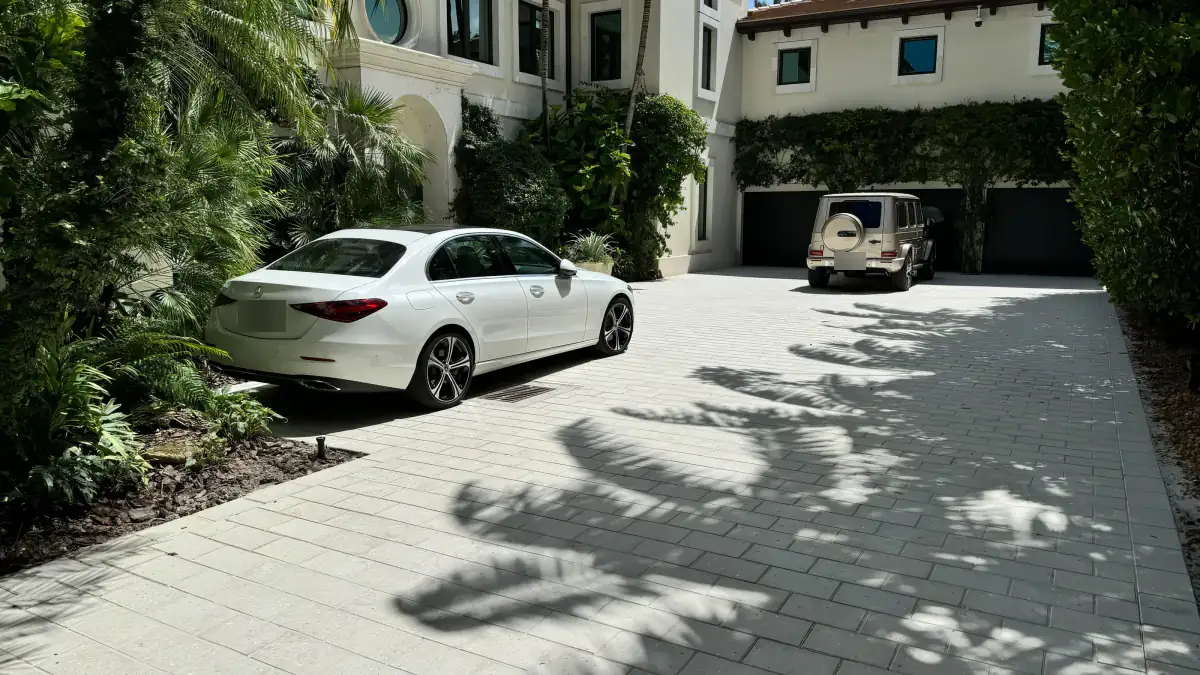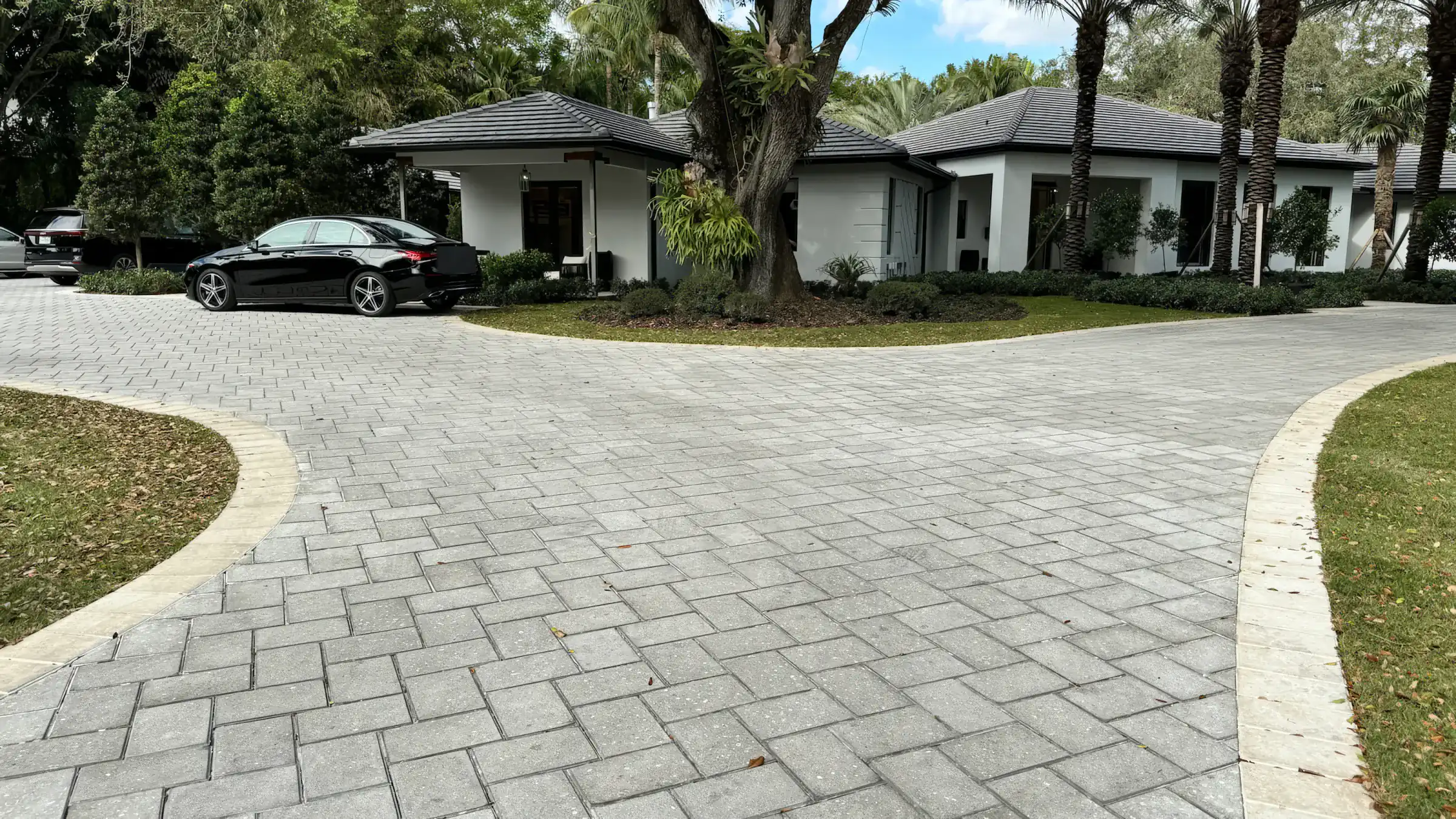
Curved gray paver driveway
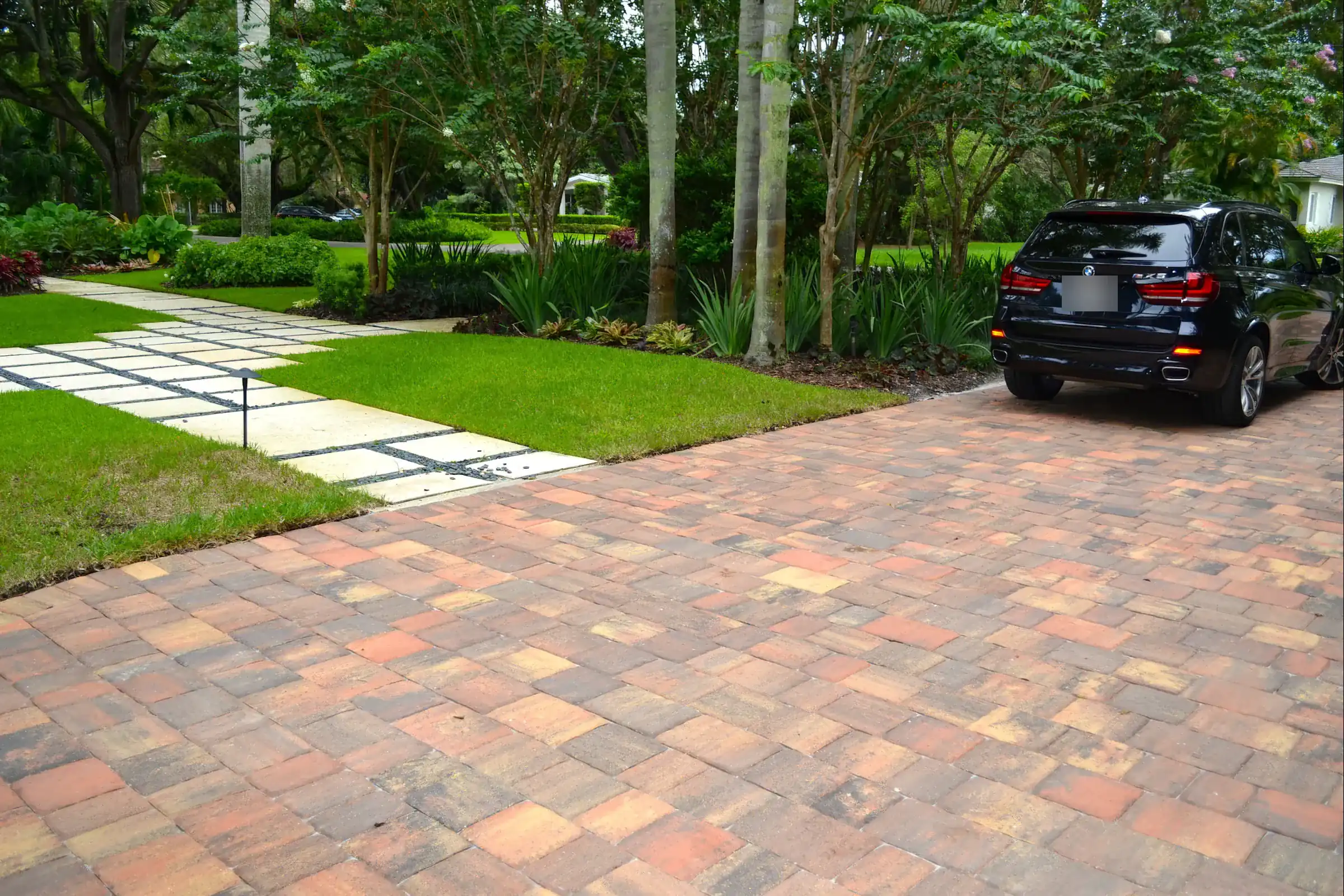 Photo: a MiamiCrete driveway.

Licensed General Contractor · CGC1529269
Paver, concrete, stamped concrete and travertine driveways for homes in Coral Way.
4.6 on Google
The short answer
Homes along Coral Way are in the City of Miami, where a standalone driveway permit is reviewed by the Building, Public Works and Zoning disciplines. The city's checklist asks for a survey less than one year old and a site plan, keeps the driveway edge at least 5 feet from the side property line, and requires a covenant for pavers or stamped concrete that makes the owner responsible for their maintenance. Coral Way itself is a designated historic highway lined with banyan trees planted in 1929.
Coral Way
The City of Miami's Standalone Driveway Permit checklist lists three review disciplines (Building, Public Works and Zoning) and three uploads: the building permit application, a survey less than one year old, and a site plan. Survey and site plan must match and show the legal description, boundary dimensions, distance to the center line, the Base Building Line from Public Works, and every right-of-way condition such as trees, poles, hydrants, curb, sidewalk and meter boxes.
The site plan must also show the proposed driveway, its distance to the side property line, width and length, flares, the visibility triangle and the Public Works standard details for the approach. A marked-up boundary survey can work as the site plan if it is submitted along with a clean survey.
Inspections: Building (setback, slab reinforcement, final), Public Works final and Zoning final. The contractor also pulls a Public Works sub-permit and, if needed, a right-of-way closure permit, and contractors working in the city's right-of-way must be registered with the Department of Resilience and Public Works through its iPW system.
Nonstandard materials (pavers, concrete slabs with spaces between them, and stamped concrete) require a covenant that makes the property owner, not the city, responsible for maintenance.
Removing or relocating a tree in the City of Miami needs a tree removal permit under Chapter 17 of the City Code, unless the tree is exempt.
Since March 31, 2025, Miami-Dade County requires approval for new or expanded paving (what the code calls non-structural impervious surface improvements) on single-family and duplex properties, in both unincorporated areas and cities; a city may run its own program if it is at least as strict as the county's. Ask the permit office whether your project triggers this drainage review.
Where we work
We build driveways across Coral Way (ZIP 33145), from around Coral Way banyan canopy (SW 22nd Street), SW 27th Avenue, SW 37th Avenue (Douglas Road), Shenandoah, Silver Bluff and The Roads. Coral Way is about 5.5 miles from our office at 777 NW 72nd Ave #2082. Call (305) 790-4850 or send the estimate form to set up a visit.
City criteria for approval: the driveway edge at least 5 feet from the side property line, a width between 10 and 40 feet, and slopes of no more than 2 percent cross slope and 5 percent running slope where it crosses the sidewalk, with a maximum of 8.3 percent for the vehicle ramp.
Coral Way is designated a historic highway. The city's Coral Way Beautification Master Plan says 1,200 banyan trees were planted by mid-summer 1929 under a Dade County roadside beautification program, and that as early as 1949 it was decided the banyans would stay. The city's SD-23 Coral Way overlay district aims to preserve the corridor's character.
The City of Miami lists neighborhood associations for the Coral Way area, including the Shenandoah and Silver Bluff neighborhood associations.
Recent work
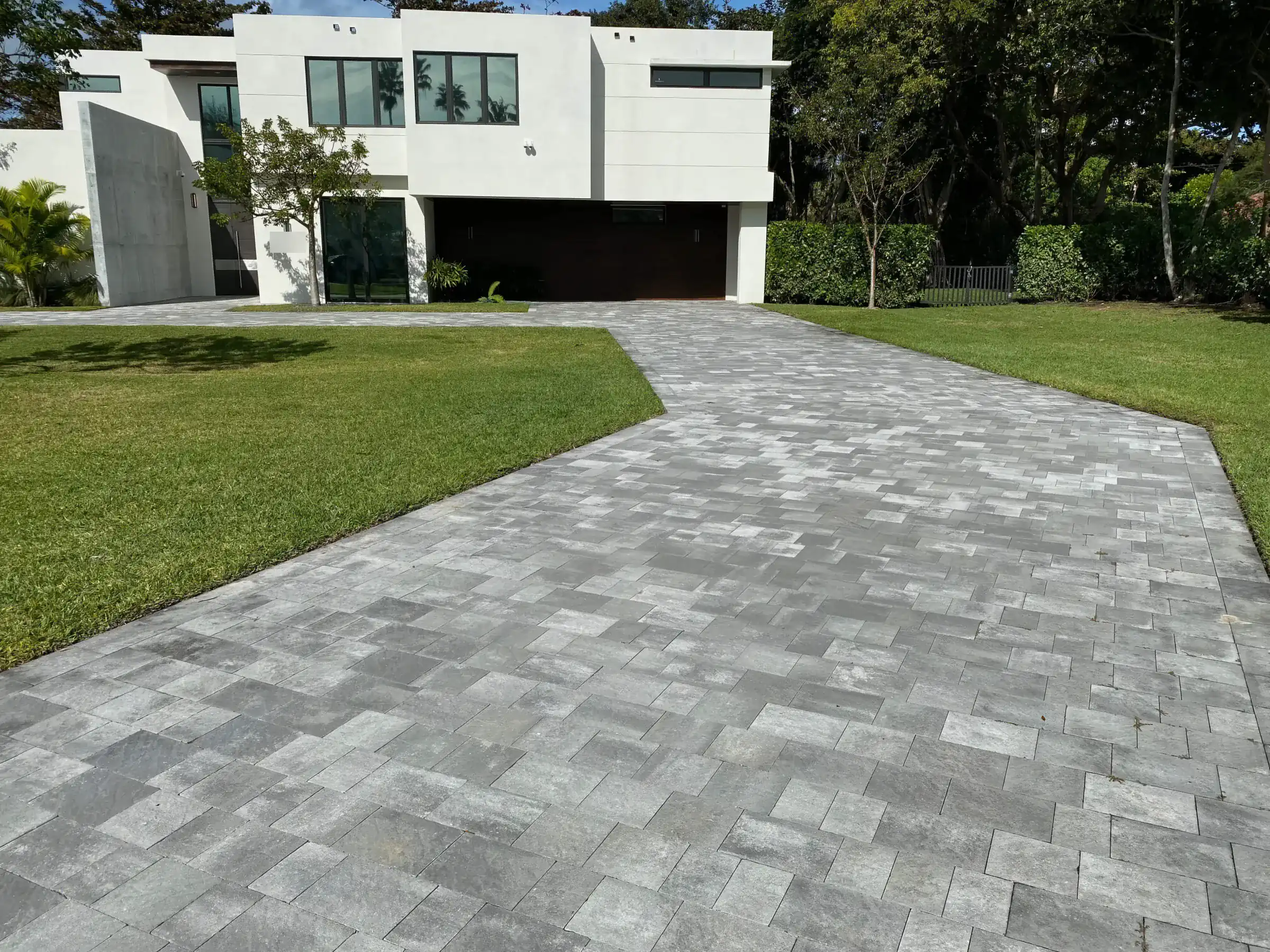
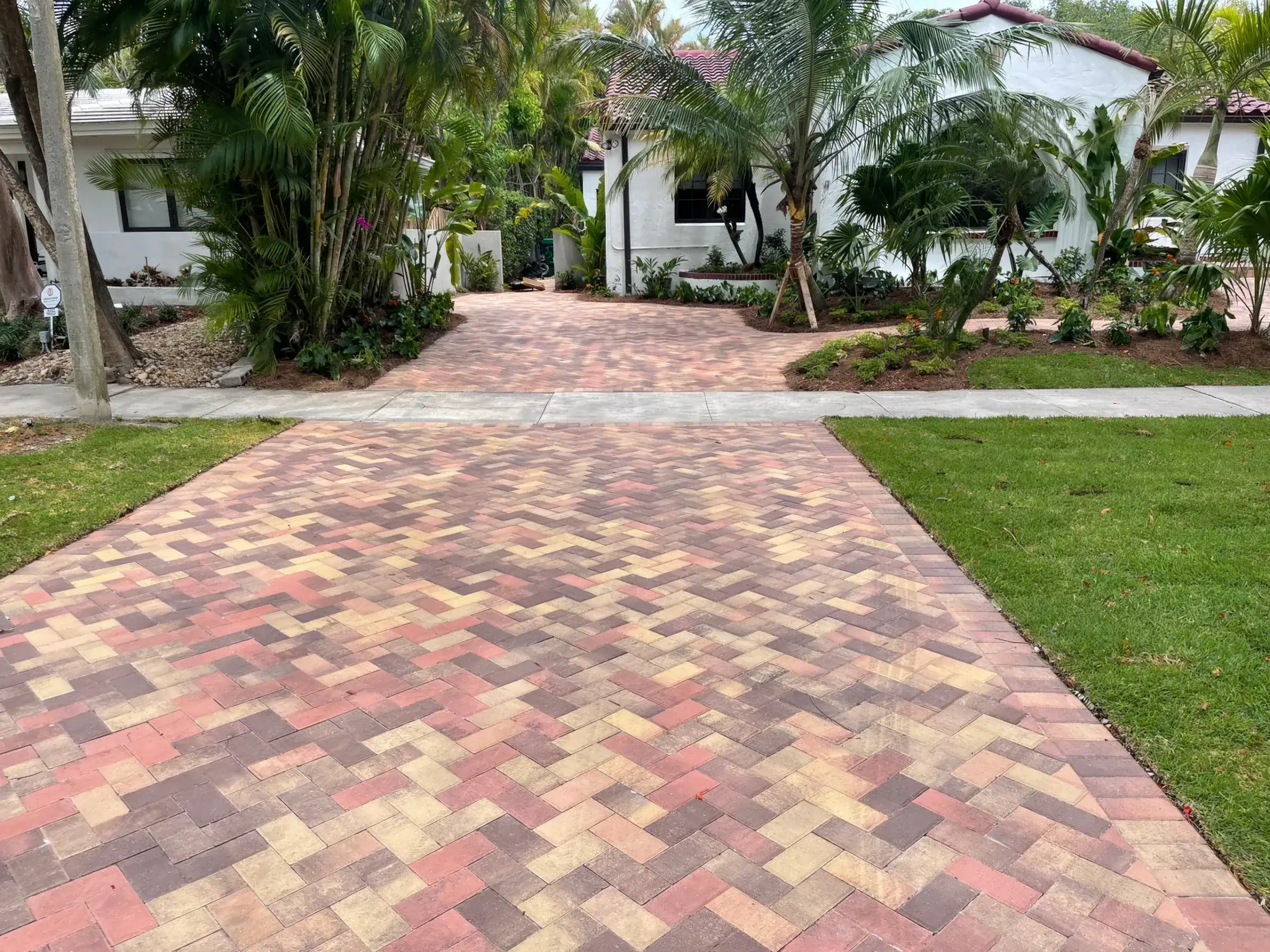
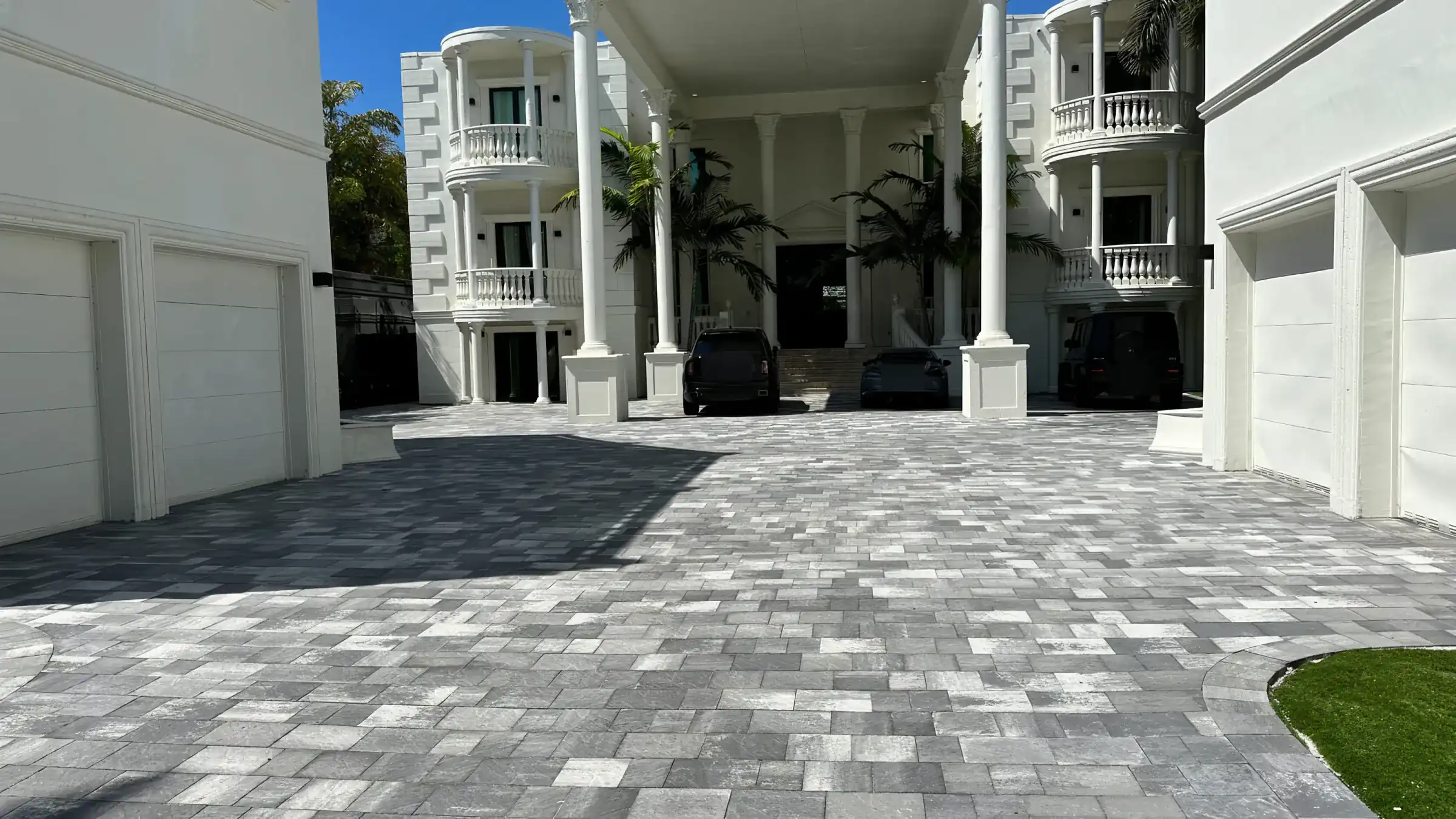
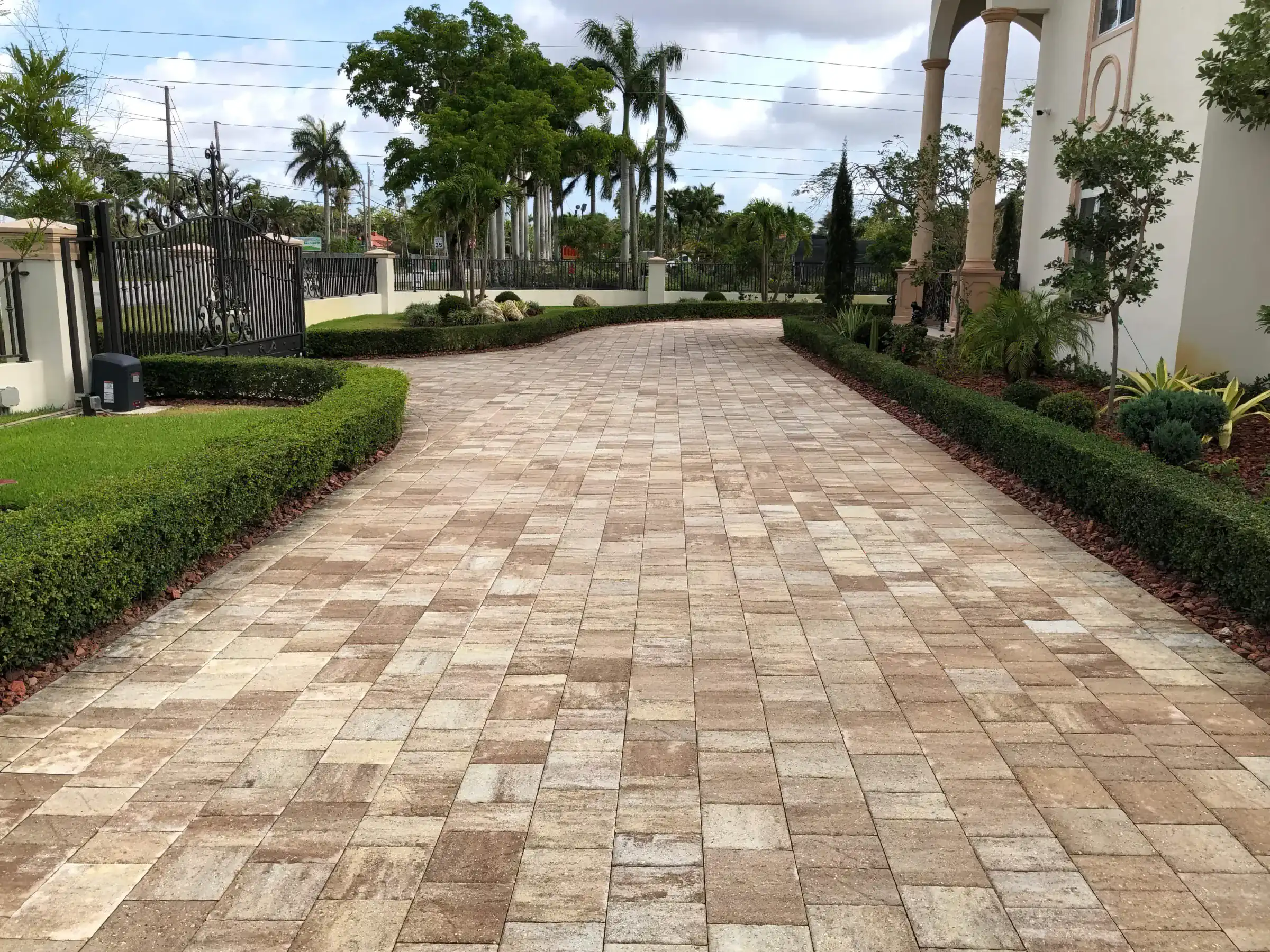
Interlocking pavers in gray, charcoal, tan or red blends. Easy to repair one piece at a time.
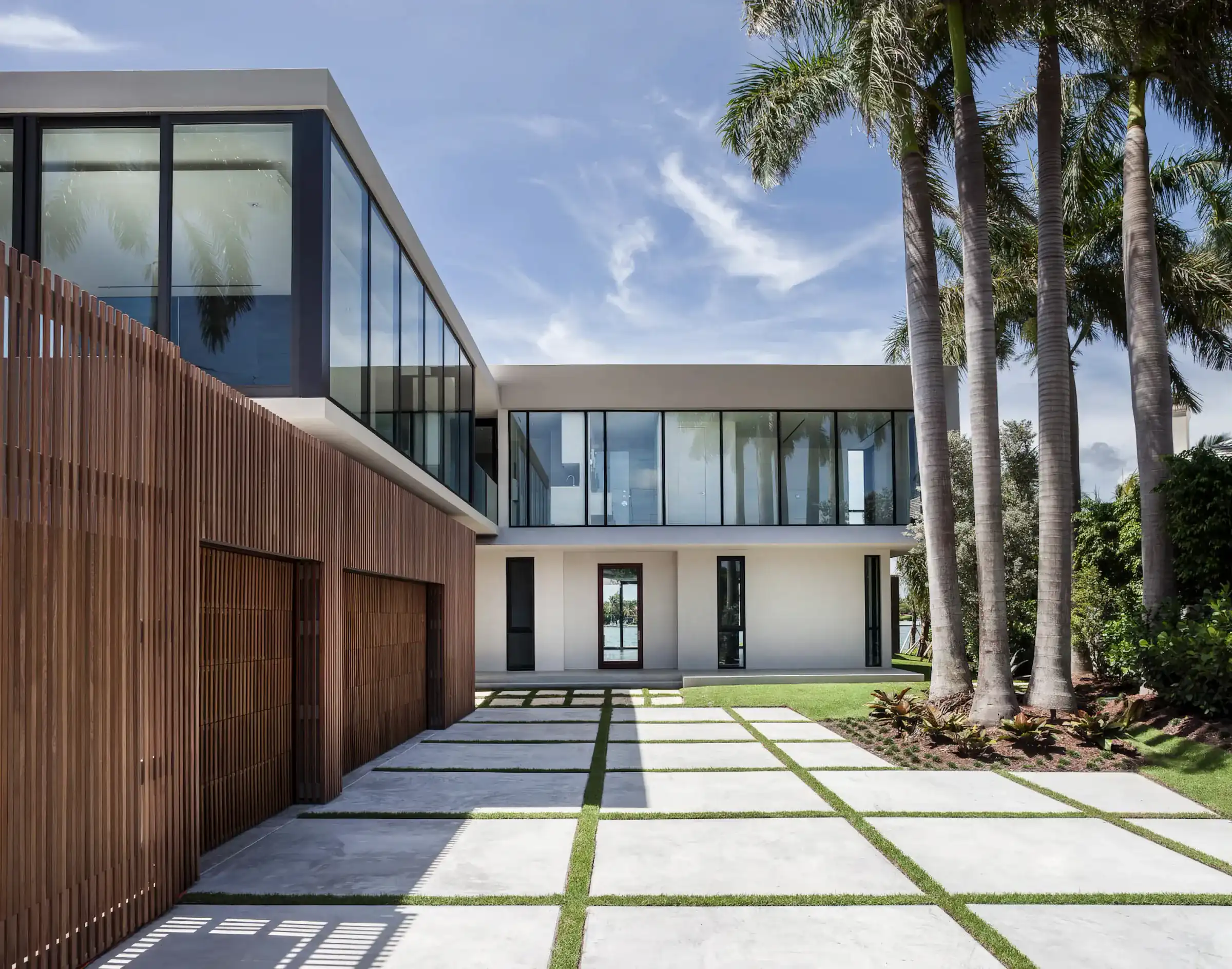
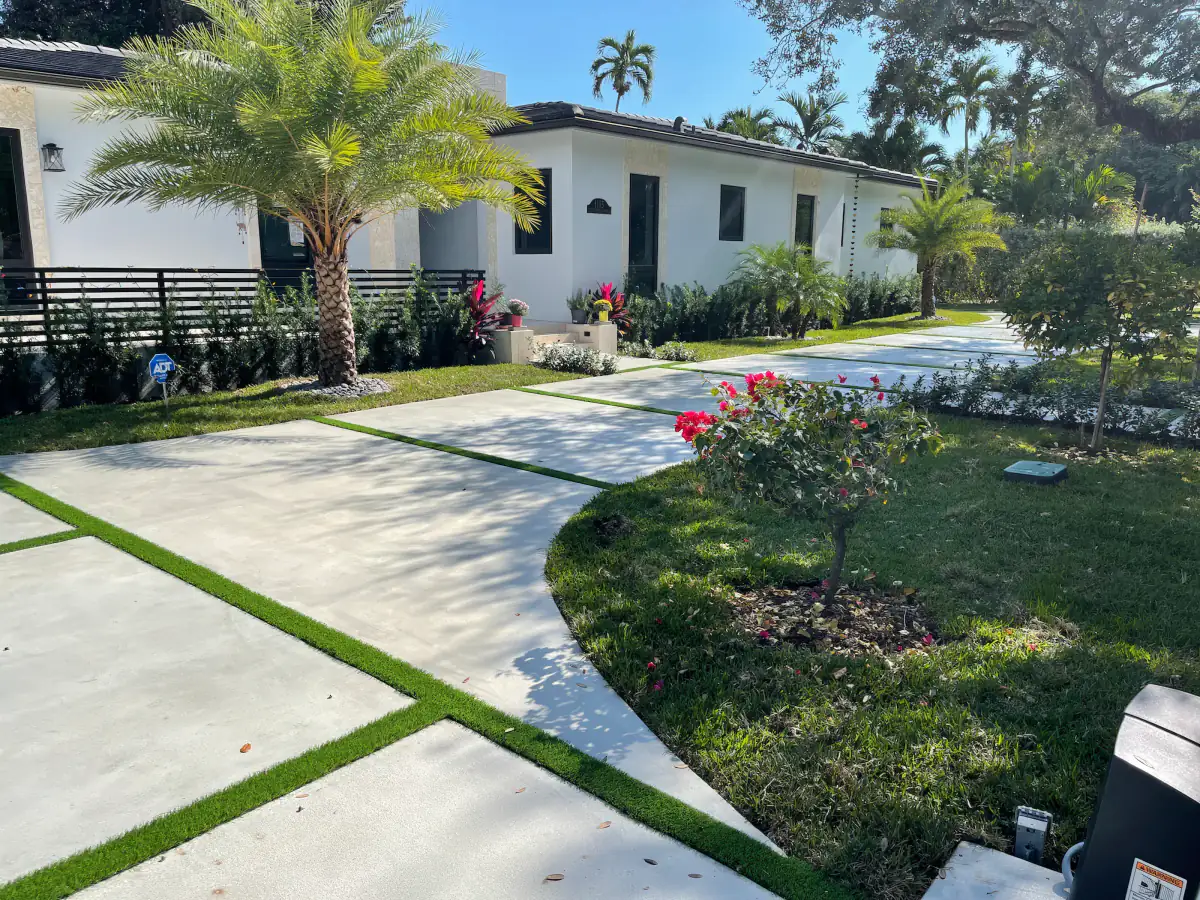
Broom, exposed aggregate or smooth concrete, straight or curved, or slabs split by grass joints.
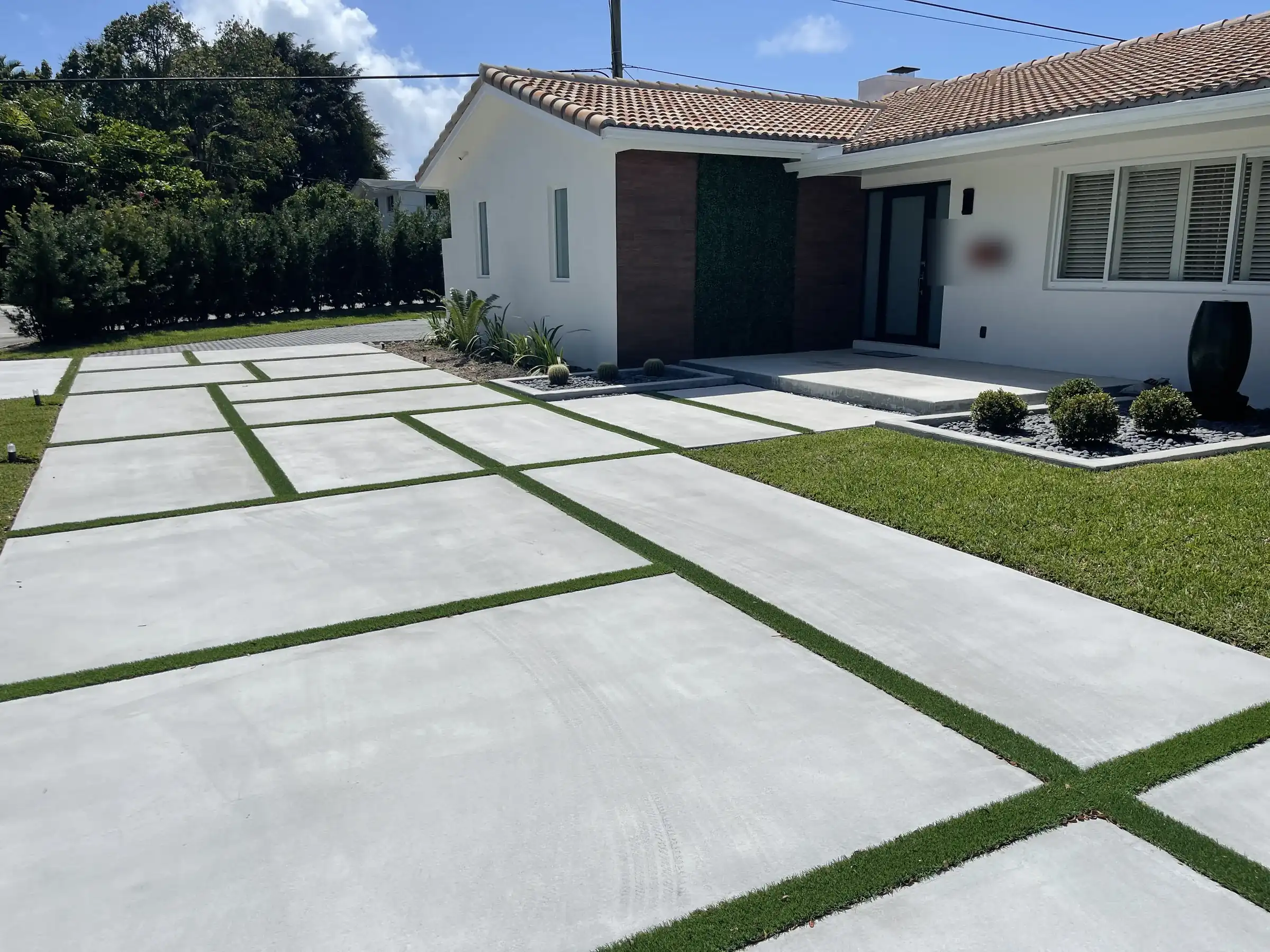
Large concrete slabs split by grass or turf joints, for a clean modern look.
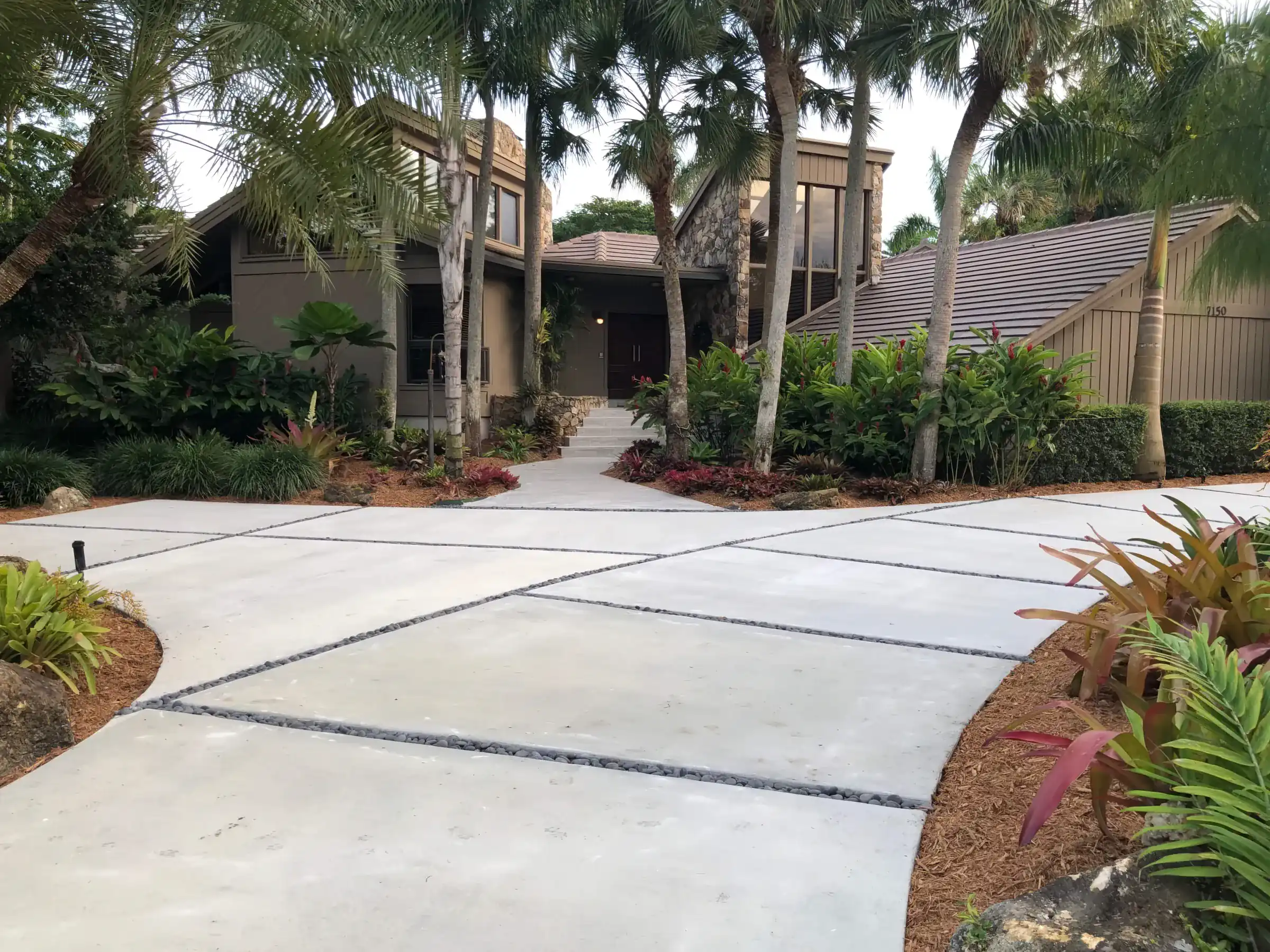
Concrete pressed with a pattern and color, for the look of stone at a concrete budget.
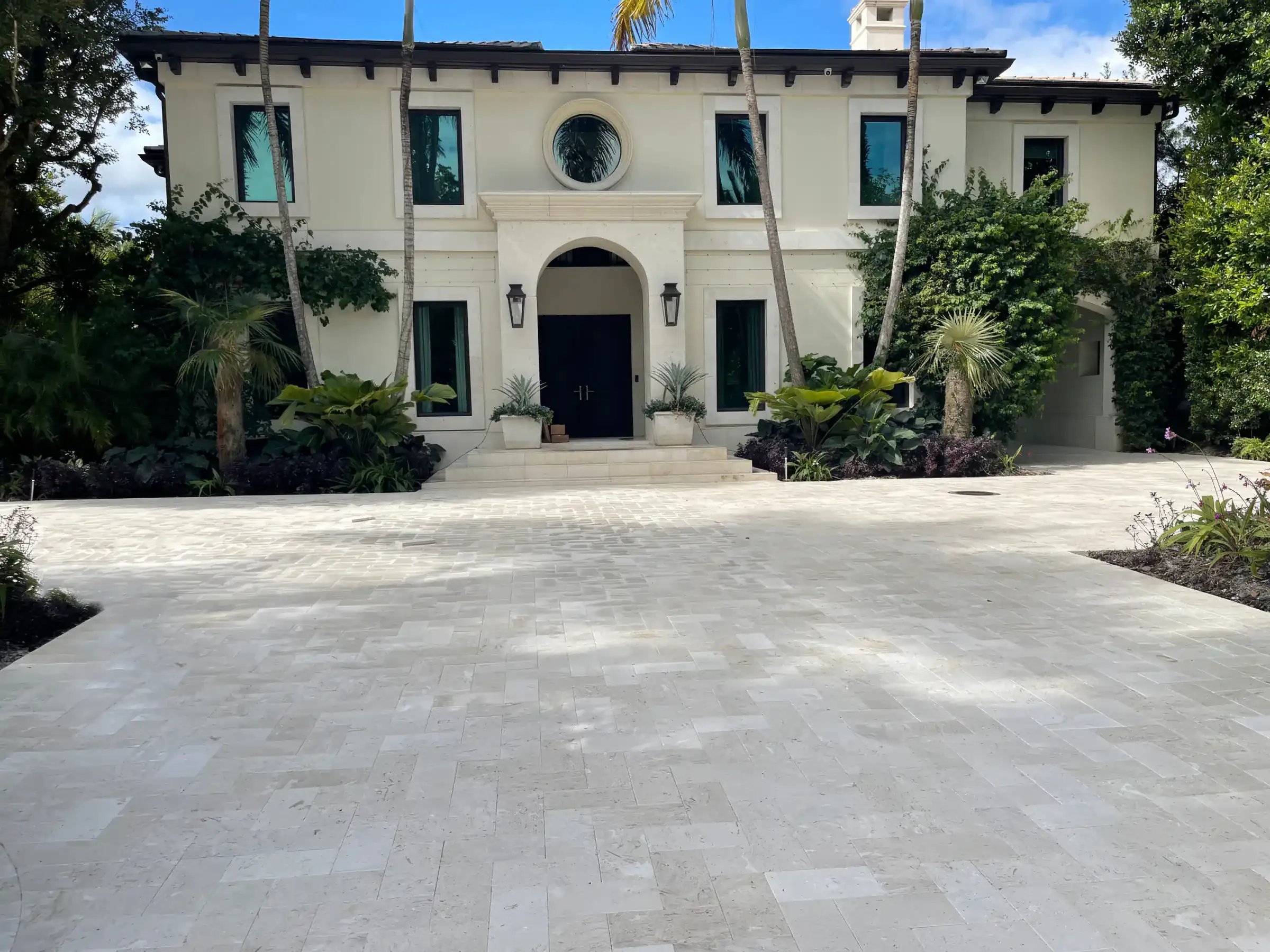
Natural stone that stays cooler underfoot and suits Mediterranean homes.
The new driveway has completely transformed the curb appeal of my home.
We worked with them on bringing our driveway up to code and they were very professional, informative, and timely, which was much appreciated.
The City of Miami. Its standalone driveway permit is reviewed by the Building, Public Works and Zoning disciplines.
A building permit application, a survey less than one year old and a site plan that matches it, showing the right-of-way conditions, the proposed driveway, flares, the visibility triangle and the Public Works approach details.
Yes. Pavers, slabs with spaces between them and stamped concrete require a covenant that makes the property owner responsible for maintenance instead of the city.
The City of Miami's checklist requires the driveway edge to be at least 5 feet from the side property line, with a width between 10 and 40 feet.
Only with a tree removal permit under Chapter 17 of the City Code, unless the tree is exempt.